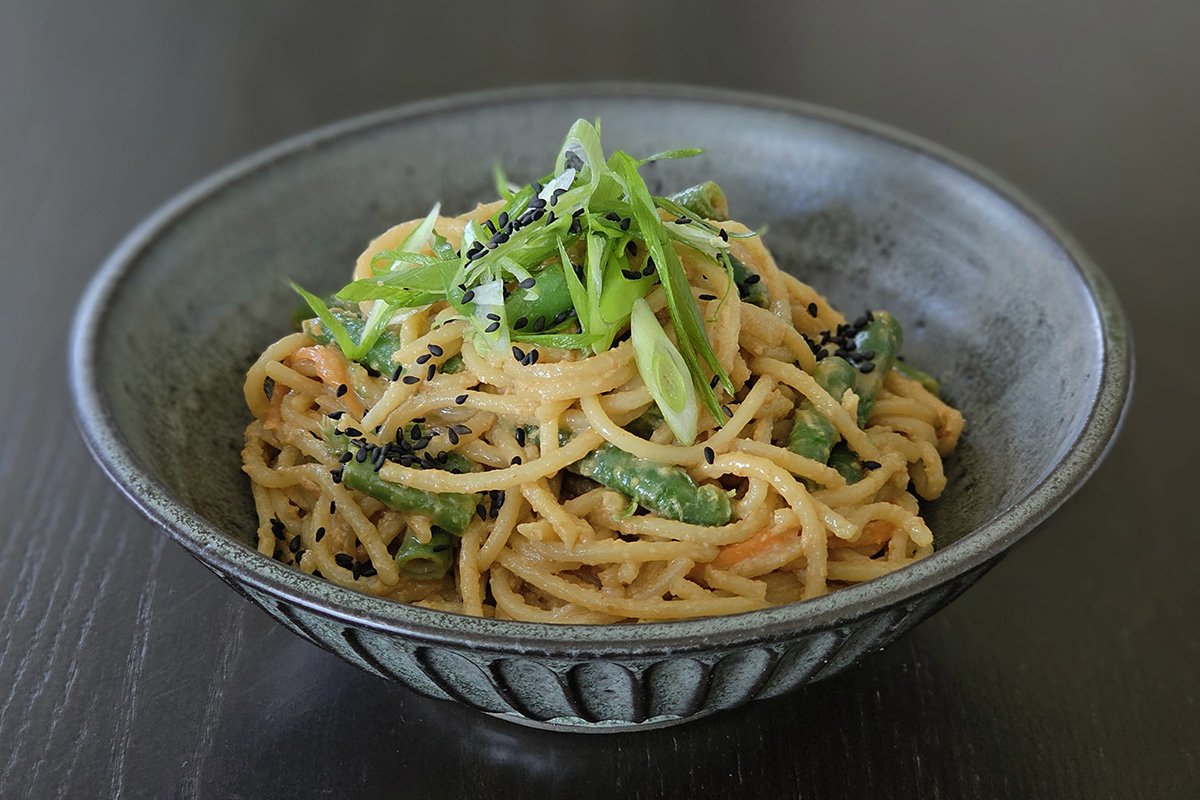
Ultimate Classic 15-Minute Vegan Sesame Peanut Noodles
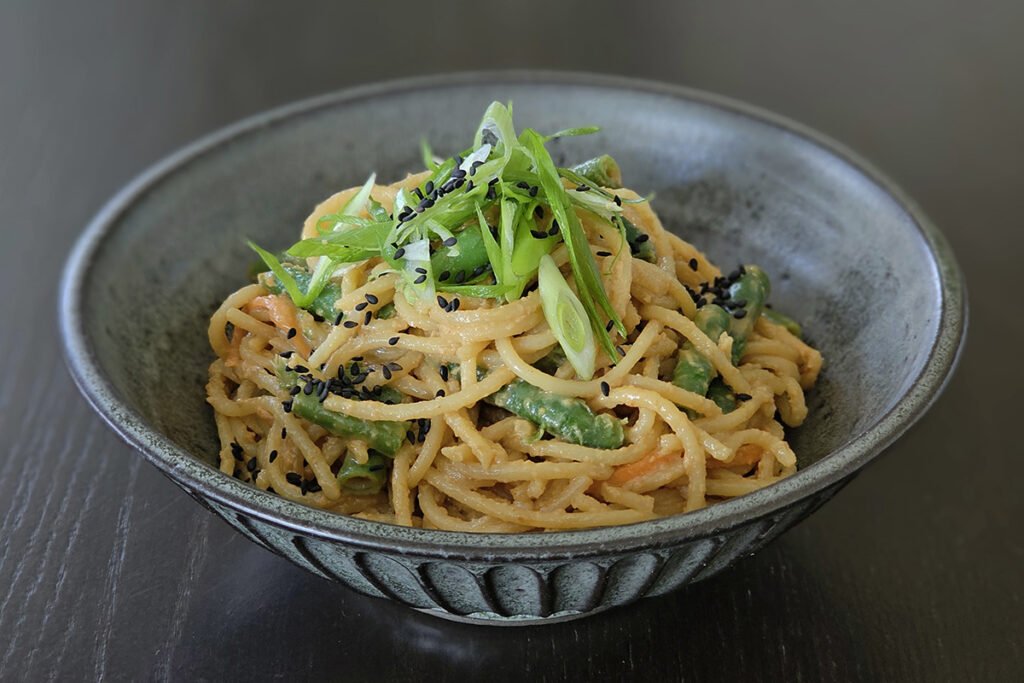
Introduction: The Fast, Flavor-Packed Pinnacle of Plant-Based Comfort Food
There are few noodle dishes in modern culinary history as universally craved, satisfying, and lightning-fast to prepare as the classic Sesame Peanut Noodles. Traditionally featuring chewy wheat noodles tossed in a rich, velvety, sweet-and-savory peanut sesame sauce, studded with crunchy peanuts and fresh scallions, it is the ultimate symbol of quick weeknight comfort dining.
Adapting this iconic, indulgent favorite into a 100% plant-based, vegan masterpiece without sacrificing an ounce of its signature rich mouthfeel, nutty depth, and umami punch is an absolute triumph. In this comprehensive guide, written with the precision of a professional chef, we will walk you through crafting a restaurant-quality 15-Minute Vegan Sesame Peanut Noodles recipe that will steal the show on your dinner table and elevate your blog with a top-tier post.
Whether your audience is searching for ultra-fast weeknight dinner ideas, meal-prep-friendly plant-based noodles, or comforting takeout-style dishes made at home, this recipe delivers maximum flavor, stunning visual presentation, and a luxurious texture that rivals any traditional restaurant preparation. The art of great sesame peanut noodles relies on mastering a balanced, emulsified sauce using creamy peanut butter, toasted sesame oil, tamari, maple syrup, and fresh ginger.
Why This Recipe Works: The Chef’s Secret
Traditional peanut noodles rely on a balanced emulsion of fat, acid, umami, and sweetness. To replicate—and even elevate—that vibrant, savory, and rich experience using strictly plant-based ingredients in just 15 minutes, a professional chef must master three key architectural elements:
- The Instant Peanut Sauce Emulsion: Whisking creamy peanut butter directly with hot starchy pasta water instantly melts and loosens the peanut butter, creating a silky, glossy sauce that coats every single noodle strand evenly.
- Double Sesame Depth: Combining toasted sesame oil with tahini or peanut butter infuses the dish with deep, authentic aromatic warmth reminiscent of your favorite artisanal noodle shop.
- The Umami-Acid Balance: A precise ratio of tamari (or soy sauce) for savory depth, rice vinegar for bright acidity, and maple syrup for sweetness balances the rich, heavy nutty profile perfectly.
Equipment Needed
- Large pot (for boiling noodles)
- Colander or strainer
- Large mixing bowl or wok
- Whisk and rubber spatula
- Measuring cups and spoons
Ingredients List
Yields: 4 generous servings | Prep time: 5 minutes | Cook time: 10 minutes
For the Noodles and Sauce Base:
- 12 oz noodles (such as lo mein noodles, spaghetti, udon, or ramen noodles; egg-free)
- 1/3 cup creamy peanut butter (natural or traditional style)
- 2 tablespoons toasted sesame oil
- 3 tablespoons tamari or soy sauce (use tamari for gluten-free)
- 1 tablespoon rice vinegar
- 2 tablespoons maple syrup (or brown sugar)
- 1 tablespoon fresh ginger, finely grated
- 2 cloves garlic, minced
- 2 to 3 tablespoons hot starchy pasta water (to thin the sauce)
- 1 tablespoon sriracha or chili garlic sauce (optional, for heat)
For the Garnish and Crunch:
- 3 green onions (scallions), thinly sliced
- 1/4 cup roasted peanuts, roughly chopped
- 1 tablespoon toasted sesame seeds
- 1 cup fresh cucumber, julienned or sliced into matchsticks (for fresh crunch)
Step-by-Step Instructions: The Professional Method
Step 1: Boil the Noodles
- Bring a large pot of salted water to a rolling boil. Add your chosen noodles and cook according to the package instructions until al dente (usually 7 to 9 minutes).
- Before draining, carefully ladle out 1/2 cup of the starchy pasta cooking water and set it aside.
- Drain the noodles thoroughly in a colander and rinse briefly under cool water to stop the cooking process.
Step 2: Whisk the Peanut Sesame Sauce
- In a large mixing bowl or wok (off the heat), combine the creamy peanut butter, toasted sesame oil, tamari, rice vinegar, maple syrup, grated fresh ginger, minced garlic, and sriracha (if using).
- Whisk vigorously until the ingredients begin to come together into a thick paste.
Step 3: Emulsify and Toss the Noodles
- Pour 2 tablespoons of your reserved hot starchy pasta water directly into the peanut sauce mixture and whisk briskly. The hot water will instantly melt the peanut butter into a smooth, glossy, velvety sauce.
- Add the drained noodles directly into the bowl with the sauce.
- Using tongs or a rubber spatula, toss the noodles vigorously until every single strand is completely coated in the rich peanut sesame glaze. (If the sauce is too thick, splash in an extra tablespoon of pasta water).
Step 4: Plate and Garnish
- Divide the warm sesame peanut noodles among bowls.
- Top each portion generously with julienned fresh cucumbers, sliced green onions, chopped roasted peanuts, and toasted sesame seeds. Serve immediately!
Pro Chef Tips for Success
- Save Your Pasta Water: Never skip reserving the starchy pasta water! It is the ultimate secret weapon for transforming thick peanut butter into a smooth, restaurant-quality silky sauce without adding extra oil.
- Customize the Veggies: While cucumbers add a wonderful refreshing crunch, you can easily fold in steamed edamame, shredded purple cabbage, or sautéed baby bok choy to make it a complete meal.
- Serving Temperature: These noodles taste incredible served warm right after tossing, but they also make an exceptional cold noodle salad for meal prep on hot summer days!
Comprehensive Storage, Freezing, and Reheating Guide
Knowing how to properly store and preserve your 15-Minute Vegan Sesame Peanut Noodles ensures that you can enjoy their rich bistro-style taste days later without losing quality. Follow these professional guidelines:
1. Storing Leftovers in the Refrigerator
- Airtight Container: Store leftover noodles in an airtight container in the refrigerator for up to 4 days.
- Pro Tip: Peanut noodles tend to absorb moisture as they sit. When reheating leftovers, toss them with a splash of water or a tiny drizzle of sesame oil and microwave for 1 minute (or reheat gently in a skillet) to restore their creamy texture.
2. Can You Freeze Peanut Noodles?
- Freezing Guidelines: Because noodle textures can become soft and mushy when thawed from a cream- or nut-based sauce, freezing is not recommended for this dish. Enjoy it fresh or straight from the refrigerator within 4 days!
Nutritional Information (Estimated per Serving)
- Calories: 390 kcal
- Carbohydrates: 52 g
- Protein: 12 g
- Fat: 16 g
- Sodium: 540 mg
- Fiber: 4 g
(Note: Nutritional values can vary slightly depending on the specific brands of noodles, peanut butter, and tamari used).
Frequently Asked Questions (FAQs)
Can I make this recipe gluten-free?
Yes! Simply substitute standard wheat noodles with 100% certified gluten-free brown rice noodles, rice ramen, or pad thai rice noodles, and ensure you use tamari instead of soy sauce.
What can I use if I have a peanut allergy?
If you have a peanut allergy, you can easily substitute the peanut butter with sunflower seed butter (SunButter) or creamy almond butter for a delicious alternative flavor profile.
Can I add extra protein to this dish?
Absolutely! Crispy baked tofu cubes, pan-seared tempeh strips, or shelled edamame make fantastic protein-packed additions to these sesame peanut noodles.