Classic Vegan Minestrone Soup (American Bistro Style)
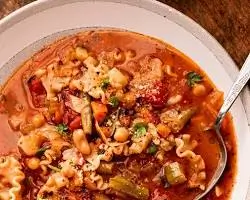
There are few dishes as universally comforting, deeply nourishing, and vibrantly colorful as a classic Minestrone Soup. While its origins trace back to rustic Italian culinary history, the American interpretation—traditionally packed with a hearty abundance of seasonal vegetables, tender beans, robust pasta, and an aromatic herbaceous broth—has become a staple of American casual dining and comfort food culture.
Adapting this iconic comfort food for a 100% plant-based, vegan lifestyle without sacrificing an ounce of its signature deep, savory flavor is entirely achievable. In this comprehensive guide, written with the precision of a professional chef, we will walk you through crafting a restaurant-quality Vegan Minestrone Soup that will satisfy your cravings and impress your dinner guests.
Whether you are searching for cozy winter dinner ideas, plant-based meal prep classics, or gourmet vegan entertaining recipes, this recipe brings all the rich, hearty flavors of the traditional bistro favorite straight to your home kitchen using entirely ethical, cruelty-free ingredients.
Why This Recipe Works: The Chef’s Secret
Traditional minestrone relies on a rich vegetable foundation and slow-simmered ingredients to build flavor. To replicate—and even elevate—that depth of flavor using strictly plant-based ingredients, a chef must master three key elements:
- Building a Flavorful Base (The Sofrito): Rushing the initial sauté of onions, carrots, and celery ruins the soup’s foundation. Sweating these aromatics slowly builds a deeply sweet and savory base that forms the backbone of the broth.
- Layering Umami: By incorporating ingredients like tomato paste, garlic, Italian herbs, and a rich vegetable broth boosted with a touch of balsamic vinegar or soy sauce, we mimic and enhance the natural savoriness of a long-simmered stock.
- Smart Timing for Pasta and Beans: Adding delicate pasta and pre-cooked beans at the exact right moment ensures your pasta remains al dente and your beans hold their shape without turning the soup into a thick stew too early.
Equipment Needed
- Heavy-bottomed Dutch oven (5 to 6-quart) or a large soup pot
- Wooden spoon for stirring
- Chef’s knife and cutting board
- Measuring cups and spoons
Ingredients List
Yields: 6 generous servings | Prep time: 20 minutes | Cook time: 40 minutes
For the Soup Base:
- 2 tablespoons extra virgin olive oil
- 1 medium yellow onion, diced
- 2 medium carrots, peeled and diced
- 2 stalks celery, diced
- 4 cloves garlic, minced
- 3 tablespoons tomato paste (for deep umami flavor)
- 6 cups rich vegetable broth (preferably low-sodium)
- 1 can (14.5 oz) diced tomatoes (with their juices)
- 1 can (15 oz) cannellini beans or kidney beans, rinsed and drained
- 1 cup small pasta (such as ditalini, small shells, or elbows; use gluten-free if needed)
- 2 cups fresh baby spinach or chopped kale
- 1 teaspoon dried oregano
- 1 teaspoon dried basil
- 1/2 teaspoon dried thyme
- 1 bay leaf
- 1 tablespoon balsamic vinegar (to brighten the finished flavor)
- Salt and freshly cracked black pepper, to taste
- Fresh parsley or vegan parmesan, for garnish
Step-by-Step Instructions: The Professional Method
Step 1: Build the Aromatics (The Sofrito)
- Place your Dutch oven or large soup pot over medium heat and add the extra virgin olive oil.
- Once shimmering, add the diced yellow onion, carrots, and celery. Season with a pinch of salt.
- Sauté the mixture, stirring frequently, for 8 to 10 minutes until the vegetables have softened and the onions become translucent and lightly golden.
Step 2: Add Garlic and Tomato Paste
- Stir in the minced garlic and the tomato paste directly into the vegetable mixture.
- Cook, stirring constantly, for 1 to 2 minutes. Letting the tomato paste caramelize slightly deepens its flavor profile and removes its raw edge.
Step 3: Simmer with Broth and Tomatoes
- Pour in the rich vegetable broth and the canned diced tomatoes with their juices, using your wooden spoon to scrape up any browned bits from the bottom of the pot.
- Add the dried oregano, dried basil, dried thyme, and the bay leaf.
- Bring the soup to a gentle boil, then reduce the heat to low, cover partially, and let it simmer for 15 minutes so the vegetables can tenderize and infuse the broth.
Step 4: Add Beans and Pasta
- Uncover the pot and stir in the rinsed cannellini beans and the dry small pasta (like ditalini or shells).
- Continue to simmer gently, uncovered, stirring occasionally for 8 to 10 minutes, or until the pasta is cooked al dente and the beans are piping hot.
Step 5: Greens and Finishing Touches
- Turn off the heat or reduce it to the lowest setting. Stir in the fresh baby spinach or chopped kale. Let it sit for 2 to 3 minutes until the greens are wilted and vibrant green.
- Stir in the tablespoon of balsamic vinegar to add a bright, balancing acidity.
- Remove and discard the bay leaf. Taste the soup and adjust with salt and freshly cracked black pepper as needed. Ladle hot into bowls and garnish with fresh parsley or vegan parmesan cheese.
Pro Chef Tips for Success
- Pasta Absorption Note: Pasta continues to absorb liquid as it sits. If you plan on storing leftovers, consider cooking the pasta separately and adding it directly to individual bowls, or be prepared to add a splash of extra vegetable broth when reheating.
- Customize Your Veggies: Minestrone is a fantastic refrigerator-cleaner. Feel free to toss in diced zucchini, green beans, or frozen peas during the last 10 minutes of simmering.
- Gluten-Free Alternative: To make this recipe completely gluten-free, simply swap the standard pasta for your favorite certified gluten-free alternative made from brown rice, chickpeas, or lentils.
Comprehensive Storage, Freezing, and Reheating Guide
Knowing how to properly store and preserve your Vegan Minestrone Soup ensures that you can enjoy its rich, bistro-quality taste days or even months later without losing any of its texture or depth of flavor. Follow these professional guidelines for optimal results:
1. Storing the Soup in the Refrigerator
- Cooling Properly: Always allow the cooked soup to cool down completely to room temperature before transferring it. Never place a hot, steaming pot directly into your refrigerator.
- Airtight Container: Transfer the cooled soup into an airtight glass or heavy-duty plastic container with a secure lid.
- Shelf Life: Properly stored in the coldest part of the refrigerator, the vegan minestrone soup will stay fresh for 3 to 4 days.
- Pro Tip: Because pasta naturally absorbs liquid over time, the soup will thicken significantly while sitting in the fridge. When you are ready to reheat your leftovers, splash in 1/4 to 1/2 cup of water or vegetable broth to completely restore the ideal soup consistency.
2. Freezing the Soup (Long-Term Storage)
- Freezer-Safe Containers: If you want to keep the soup for longer periods, it freezes wonderfully—ideally if you make it without the pasta, or use a sturdy pasta shape that holds up well. Ladle the cooled soup base into freezer-safe containers or heavy-duty freezer bags, leaving about an inch of headspace at the top of the container to allow for liquid expansion during the freezing process.
- Freezer Life: The soup base and bean mixture can be frozen for up to 3 months without losing its nutritional value or vibrant flavor profile.
- Thawing Process: For the best possible texture and food safety, transfer the frozen container from the freezer to the refrigerator and let it thaw completely overnight (about 12 to 24 hours) before reheating it on the stovetop.
3. How to Reheat Your Minestrone Soup
- On the Stovetop (Recommended): Pour the refrigerated or thawed soup into a saucepan or Dutch oven over medium-low heat. Bring it to a gentle simmer, stirring occasionally, until it is heated completely through (about 8 to 10 minutes). Add a splash of fresh vegetable broth if the soup texture feels too thick.
- In the Microwave: For a quick single portion, pour a serving into a microwave-safe bowl, cover it loosely with a paper towel or microwave lid to prevent messy splatters, and heat on high power for 2 to 3 minutes, stirring halfway through until piping hot.
Nutritional Information (Estimated per Serving)
- Calories: 240 kcal
- Carbohydrates: 41 g
- Protein: 9 g
- Fat: 4 g
- Sodium: 620 mg
- Fiber: 8 g
(Note: Nutritional values can vary slightly depending on the specific brands of broth, pasta, and beans used).
Frequently Asked Questions (FAQs)
Can I freeze Vegan Minestrone Soup with pasta in it?
You can freeze it with pasta, but keep in mind that freezing and thawing can cause delicate pasta to become very soft and mushy. For the best culinary texture, we recommend freezing the soup base and beans, and cooking fresh pasta to stir in when reheating.
What are the best beans to use in minestrone?
Traditional choices include cannellini beans, great northern beans, red kidney beans, or borlotti beans. Any creamy white or red bean works exceptionally well in this plant-based recipe.
Can I make this soup in a slow cooker?
Yes! Sauté the onions, carrots, celery, garlic, and tomato paste in a pan first to build depth, then transfer them to your slow cooker along with the broth, tomatoes, herbs, and beans. Cook on low for 6 to 8 hours. Add the pasta and greens during the last 30 minutes of cooking.